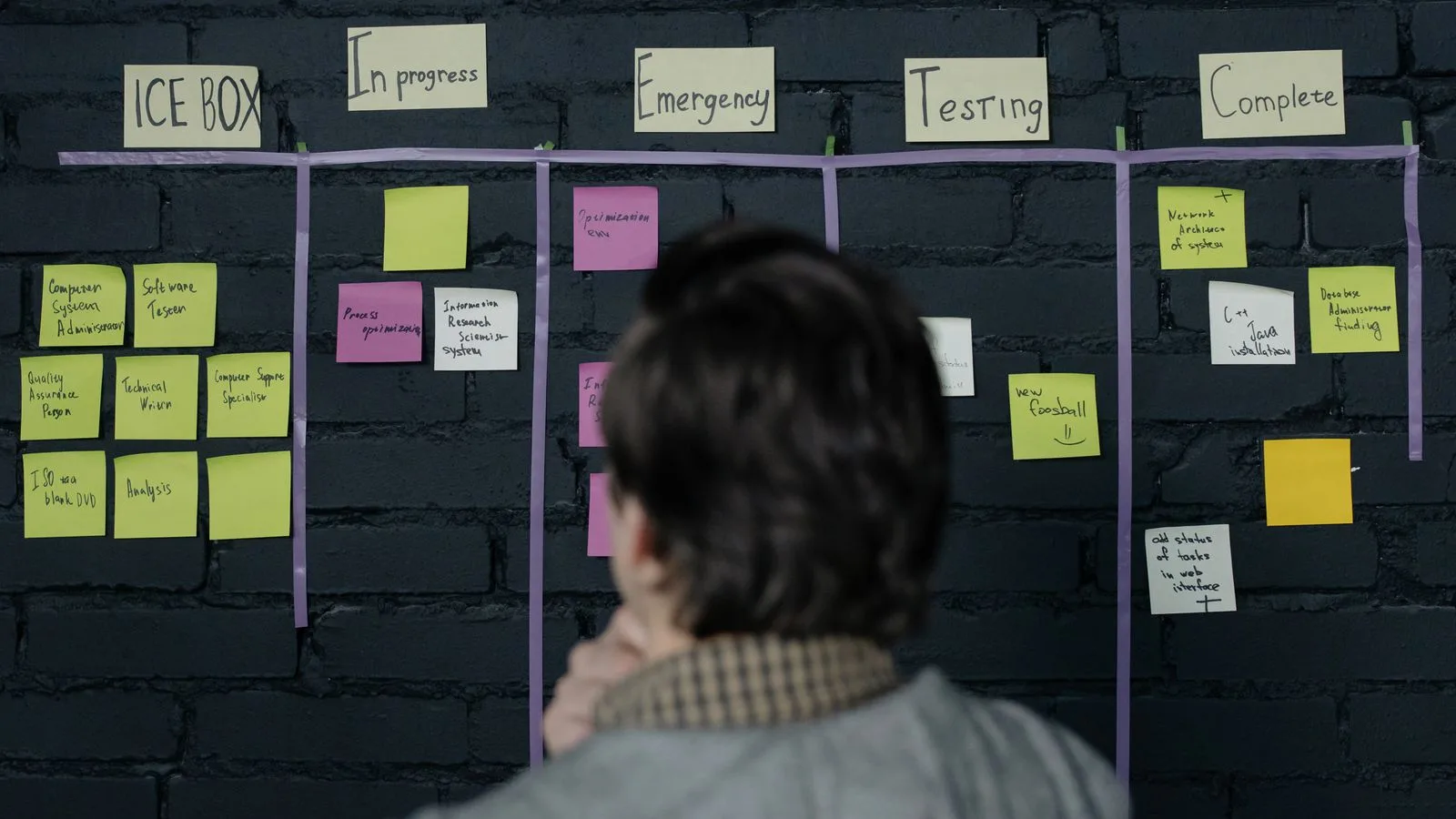
Client Onboarding Checklist: 15 Steps to a Smooth Kickoff
The gap between a signed contract and a confident first status update is where agencies and consulting firms either build trust or burn it. Here's a repeatable 15-step process for closing that gap the same way, every time.
Every agency loses a little margin during the first two weeks of a new engagement, not usually through mistakes, but through improvisation. A step gets skipped, an assumption goes undiscussed, and by week three the team is rebuilding trust instead of building the deliverable. This checklist breaks a proper client onboarding process into 15 concrete steps across three phases: before the kickoff call, during the kickoff call itself, and through the first two weeks of delivery.
In this guide
Why a documented onboarding process protects your margin Before kickoff: the first 5 steps The kickoff call: steps 6 through 10 The first two weeks: steps 11 through 15 Frequently asked questions
Why a Documented Onboarding Process Protects Your Margin
It's tempting to treat onboarding as something you just handle, a quick email here, a call there, whatever the account lead remembers to do. That works fine until it doesn't: a new hire runs a kickoff without the rate card confirmed, a client is never given portal access and starts emailing for updates instead, or a scope detail that was clear in the proposal gets reinterpreted three weeks in because nobody wrote it down. Each of those gaps costs real money, in rework, in unbilled hours spent clarifying things that should have been settled up front, and in the client's confidence that they picked the right firm.
A documented checklist fixes the inconsistency, not by adding bureaucracy, but by making sure the same 15 things happen for a $5,000 project and a $500,000 one. It also protects first impressions specifically, because a client's opinion of your firm is disproportionately shaped by the first two weeks. Improvising per client means every engagement starts as a fresh experiment; a checklist means the team's best practices show up every time, not just when someone happens to remember them.
Before Kickoff: The First 5 Steps
The work that happens before the client ever joins a call determines how smooth that call feels. Rushing this phase is the single most common reason kickoffs go sideways, someone shows up without access, without a clear scope, or without a plan to reference.
- 1. Contract signed and countersigned, no delivery work starts, and no kickoff gets scheduled, until the agreement is fully executed on both sides
- 2. Access and logins collected, from shared drives to CMS credentials to analytics accounts, requested in one batch instead of trickling in over the first week
- 3. Internal kickoff prep completed, the delivery team reads the proposal and contract, and knows who's doing what before the client is on the call
- 4. Rate card and scope reconfirmed, so sales handoff assumptions and delivery reality match before a single hour gets logged against the account
- 5. Project created from a template, spinning up phases, tasks, and billing rules from a saved template in Autovella instead of rebuilding a project plan from scratch each time
A checklist is cheaper than the alternative. The handful of minutes it takes to work through these five steps is far less costly than the hours spent later reconstructing scope from memory or chasing down access mid-sprint because nobody collected it up front.
The Kickoff Call: Steps 6 Through 10
The kickoff call is where the client forms a lasting impression of how your firm operates. It should feel organized and specific to their project, not like a generic template read out loud.
- 6. Team introduced by name and role, so the client knows exactly who to reach for what, from day one rather than after a few confused emails
- 7. Goals and success criteria confirmed out loud, in the client's own words, so "success" is a shared definition rather than an assumption each side carries separately
- 8. Timeline and milestones walked through, giving the client a concrete picture of what happens when, not just a vague sense of "a few months"
- 9. Communication cadence set, agreeing on how often updates happen and through which channel, before the client has to ask for one
- 10. Decision-makers and approval process clarified, so the team knows exactly whose sign-off actually moves work forward before deadlines are on the line
None of these five steps need to take long individually, but skipping any one of them tends to surface as a problem two or three weeks later, usually at a worse moment than the kickoff call would have been.
The First Two Weeks: Steps 11 Through 15
The kickoff call sets expectations; the first two weeks are where the client finds out whether those expectations hold up. This is the phase most firms underinvest in, once the call is done, attention drifts back to the work itself. See how project templates and a client portal work together on the features page if you want a sense of what this phase looks like when it's built into the platform rather than handled manually.
- 11. First milestone scheduled on the calendar, with a real date, so momentum is visible instead of implied
- 12. Client given portal or shared access, so they can check progress themselves through a client portal instead of relying on an inbox to know where things stand
- 13. Expectations document shared, putting scope, timeline, and communication agreements from the kickoff call into writing that both sides can reference later
- 14. First status update sent on schedule, proving the communication cadence agreed on at kickoff is a real commitment and not a nice-sounding promise
- 15. Feedback loop confirmed, checking in directly on how onboarding felt from the client's side while there's still time to adjust before the engagement settles into its rhythm
By step 15, the client should have direct evidence, not just reassurance, that the firm delivers what it said it would during the sales process.
Run every kickoff from the same playbook
See how project templates and a client portal keep onboarding consistent from one client to the next.
Frequently asked
Most agencies and consulting firms can complete a full onboarding, from signed contract to the first status update, within two to three weeks. The kickoff call itself should happen within the first few days of signing, and the first milestone should be visible on the calendar before that first week is out.
The kickoff meeting is one event inside a longer onboarding process. A proper onboarding checklist covers everything that has to happen before the kickoff call, contracts, access, internal prep, and everything that follows it, the first milestone, the first status update, the first feedback loop, not just the single meeting where introductions happen.
A single person, usually a project or account lead, should own the checklist even if other team members complete individual steps. Without one owner, steps like collecting access or confirming the rate card tend to fall through the cracks between sales handing off the deal and delivery picking it up.